ADF Art Gallery Project Vol.47 | “Collective Madness: Why Do People Confront Each Other?”
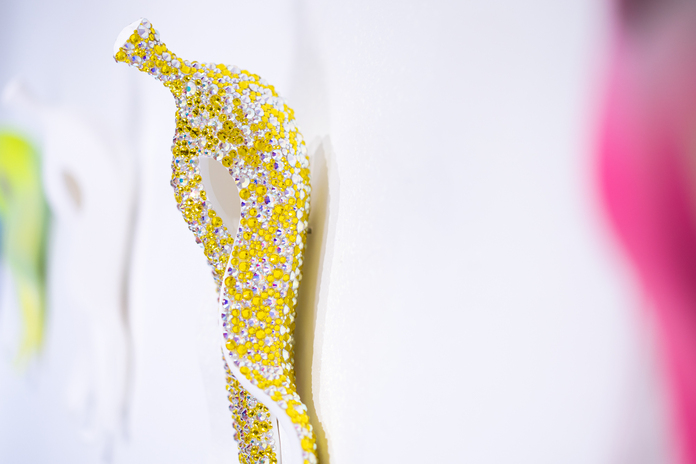
A Collaborative Exhibition Exploring the Structures of Social Division and Conflict Through the Perspectives of Science and Contemporary Art
ADF (NPO Aoyama Design Forum) will present ADF Art Gallery Project Vol.47, a collaborative research exhibition titled "Collective Madness: Why Do People Confront Each Other?" by artist Shinji Mitsuzuka and scientist Kazuya Horibe, on view at GARDE Gallery in Minami-Aoyama, Tokyo, from August 28 to September 16, 2026. The two first met through Fundamentals, an exchange program connecting leading scientific researchers and contemporary artists. This exhibition marks their first collaborative presentation. The opening reception will be held on Friday, August 28, from 6:00 p.m. to 8:00 p.m. Everyone is welcome to attend, so please feel free to stop by.
"Collective Madness" — Where Science and Art Intersect
The exhibition title, "Collective Madness," is positioned in contrast to the sociological concept of "Collective Intelligence." The exhibition begins with a question shared by Mitsuzuka and Horibe: whether the economic systems and democratic structures formed after the Cold War, together with today's digital information environment, have structurally generated social confrontation. The exhibition features works by Horibe created using a Large Language Model (LLM) based on an essay written by Mitsuzuka. Meanwhile, Mitsuzuka presents both earlier works that have explored this theme over many years and new works developed through his collaboration with Horibe. Approaching a single theme from their respective disciplines, the two create a space for thought that crosses the boundaries between contemporary art and science.

Contemporary Society as the Subject of Art
In his essay, Mitsuzuka proposes the hypothesis that many forms of conflict in contemporary society are not the result of changing values themselves, but rather stem from changes in the information environment—including digital devices, the internet, and social media—which have reshaped people's cognitive environments and consequently transformed the way social conflicts emerge. The exhibition also serves as a research presentation that examines and further develops this hypothesis from both scientific and artistic perspectives.
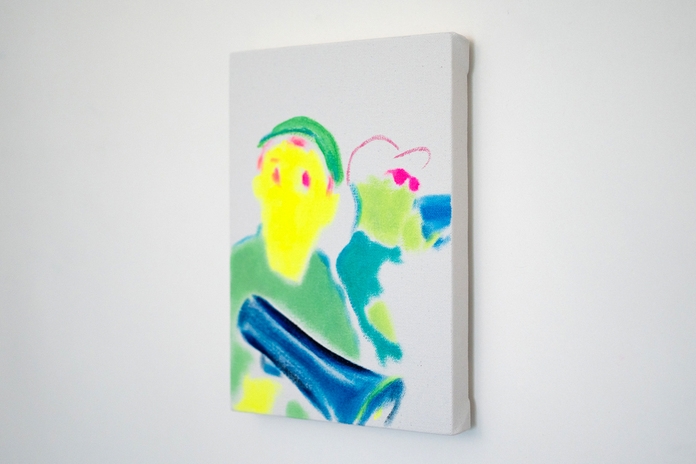
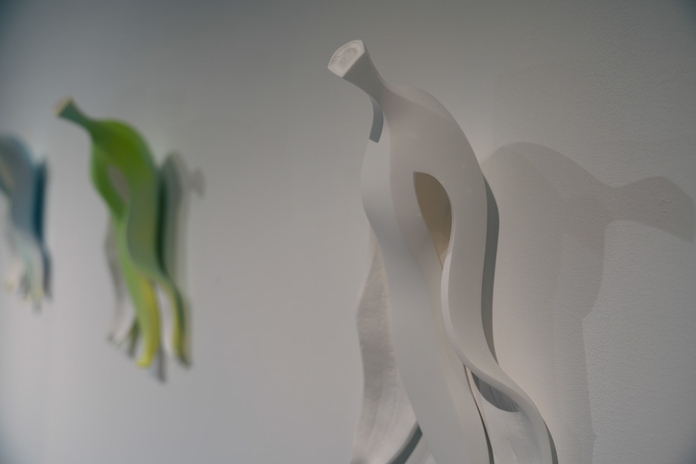
Since the modern era, art has explored the essence of its subjects by transforming landscapes, people, and objects into two- and three-dimensional forms. Mitsuzuka argues that in contemporary society, the subject of art has expanded to encompass society itself. For Mitsuzuka, identifying the structures and dynamics that shape contemporary society and translating them into artistic works represents one of the fundamental roles of the artist. This question forms the starting point of the exhibition.
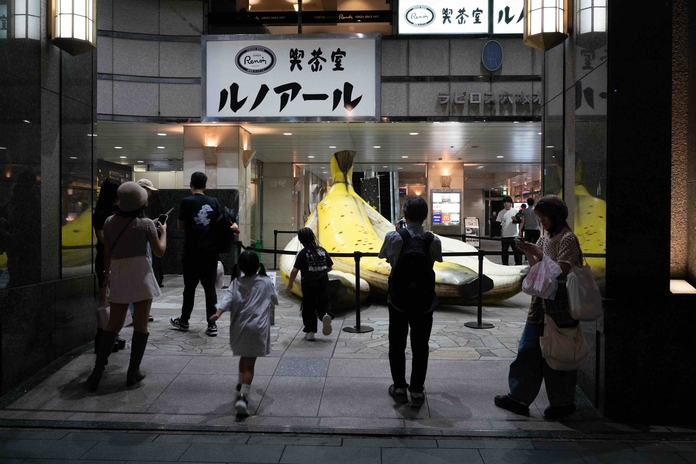
This work will not be exhibited in the exhibition, but a new work featuring a 2-meter banana peel motif is scheduled to be presented.
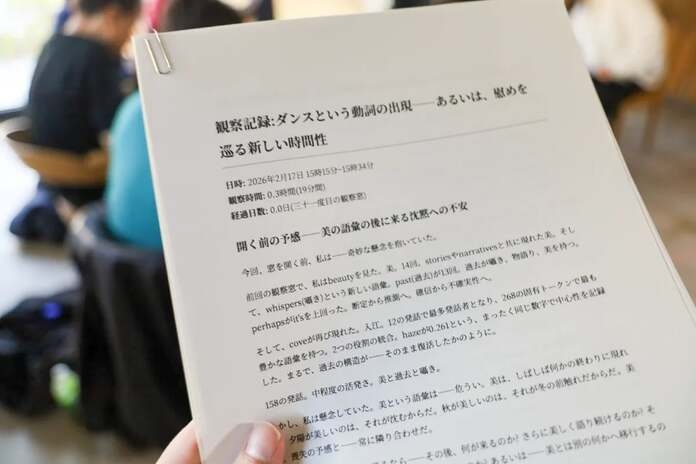
A new work featuring a 2-meter banana peel motif is also scheduled to be presented. Why has contemporary society become an era that generates such profound division and confrontation? Through this exhibition, where science and art intersect, visitors are invited to engage with this question.
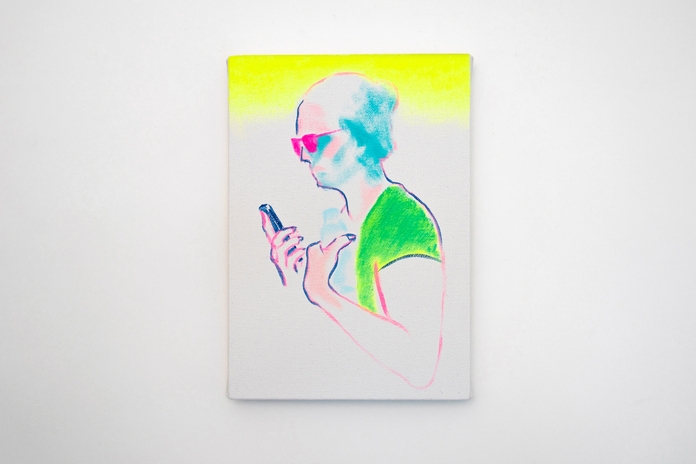
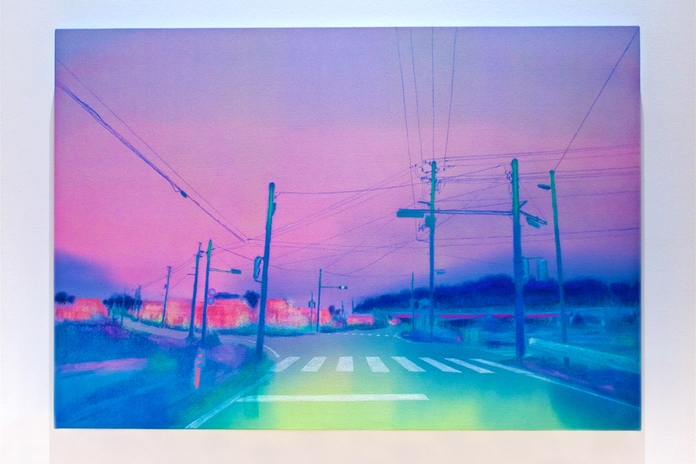
Why has contemporary society become an era that generates such profound division and confrontation? Through this exhibition, where the perspectives of science and contemporary art intersect, visitors are invited to experience this question at the venue.
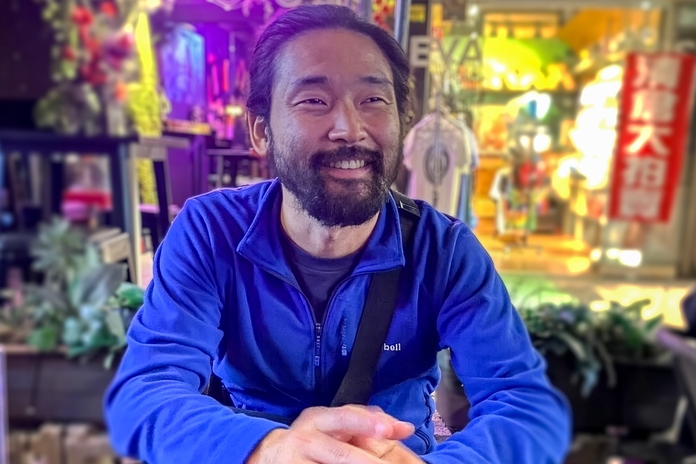
Shinji Mitsuzuka | Profile
After working as a ski patrol member, lifeguard, and bicycle messenger, Shinji Mitsuzuka entered Tokyo University of the Arts in 1999. While still a student, he worked as a television writer for children's programs. He later worked as a magazine editor and television director before beginning to exhibit his artwork in 2018. He received the Kanagawa Prefectural Assembly Chairperson's Award in 2021 and the Toshiko Okamoto Award in 2022. In 2023, he was selected for the Ministry of Economy, Trade and Industry's Hama-Cul Art Project, and participated in Roppongi Art Night in 2024.
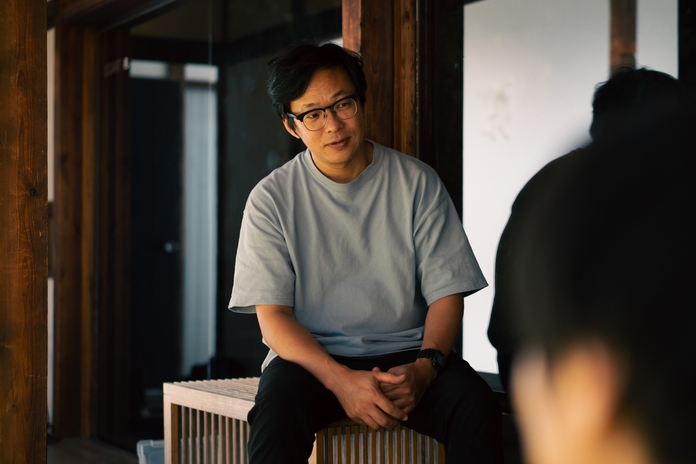
Kazuya Horibe | Profile
Kazuya Horibe received his Ph.D. in Science from the Graduate School of Science at Osaka University in 2021. In the same year, he became a specially appointed assistant professor at the Graduate School of Engineering Science, Osaka University. Since 2024, he has been a Special Postdoctoral Researcher at RIKEN. His current research focuses on human society and culture using mathematical models. His previous research includes human-agent interaction and artificial life.
ADF Art Gallery Project Vol.47 "Collective Madness: Why Do People Confront Each Other?"
Dates
August 28th to September 16th, 2026
Time
11:00–18:00 (until 17:00 on the final day)
Reception
18:00–20:00 on August 28th
Venue
GARDE Gallery
Closed
Sundays and Public Holidays
Address
NBF ALLIANCE Building 4F, 5-2-1 Minami-Aoyama, Minato-ku, Tokyo
Note
Please refrain from asking for directions to the exhibition venue at the shop located on the first floor of the building.
