
ADF DESIGN AWARD 2026 Jury Comments Overview

The results of the ADF Design Award 2026, organized by the Aoyama Design Forum (ADF), were announced in March 2026. The Grand Prize and Excellence Award-winning projects share a common architectural approach that emphasizes human-centered design, a strong relationship with nature, and the quality of spatial experience. This article presents an overview of the jury comments on the awarded works and highlights their key characteristics.
Comment on the Grand Prize: Keisuke Koike (Thirdparty / K2YT)
Suzy Annetta / Founder and Publisher of Design Anthology
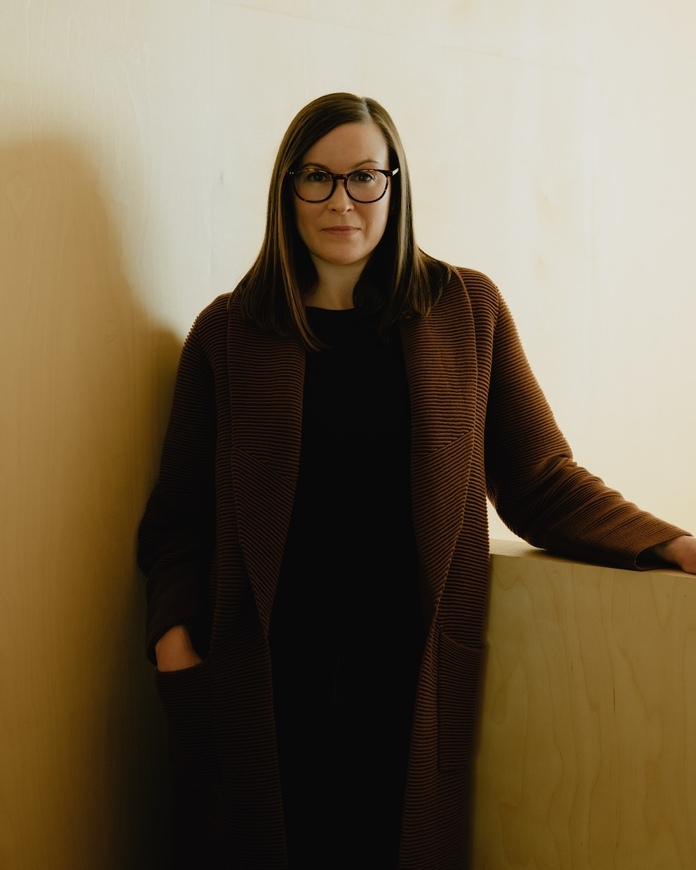
@ Gavin Green
As a judge of this year’s ADF Awards, I found the Miyakonojo Komizo Eye Clinic to be an exceptionally thoughtful response to the patient experience. Rather than treating waiting as idle time, the design transforms it into a meaningful, restorative encounter with space and nature. Segmented roof forms create varied volumes that balance openness with intimacy, while gardens woven between functional zones draw in soft natural light and blur the boundary between inside and out. The building feels less like a medical facility and more like a community park—an architecture of empathy, not ego, that gently supports patients, staff, and visitors alike.
Mark Olthoff / Principal, Owner of OLSON KUNDIG
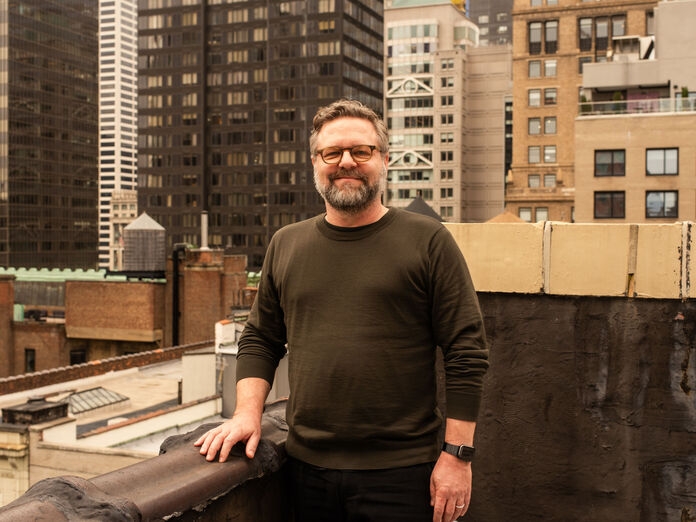
Impressive detailing and use of materials and landscape to create a blended interior and natural environment. I only wish the experience of touch and intimate experience in the furnishings had the same attention to detail and care for the inhabitants that the architecture has, it doesn't feel as holistic for the users as it could have been.
Ben Kikkawa/ Zaha Hadid Architects
As an architect we use spatial quality to express our thoughts. Although the evaluation in this competition relies on many criteria, this proposal strikes through a simple idea of "what will it feel like?". Starting with a simple physical model of an overlap of the roof. Somewhat familiar to a Japanese temple but not. Yes, the glazing joinery is an obstacle, but the light will penetrate through with sightlines across to the roof. Yes, maintaining this project in Japanese climate is another obstacle in the future. But this project didn’t pull back. This moment of the floating box of space in the air could turn into a style of a carrier. Can potentially turn into mezzanine. Or maybe with a structural solution of a floating box. Can it interlock as a semi-exterior? etc… Worth a prize.
Comment on the Excellence Award: Jeravej Hongsakul (IDIN Architects)
M.L. Varudh Varavarn/ Founder, Principal Architect of Vin Varavarn Architects
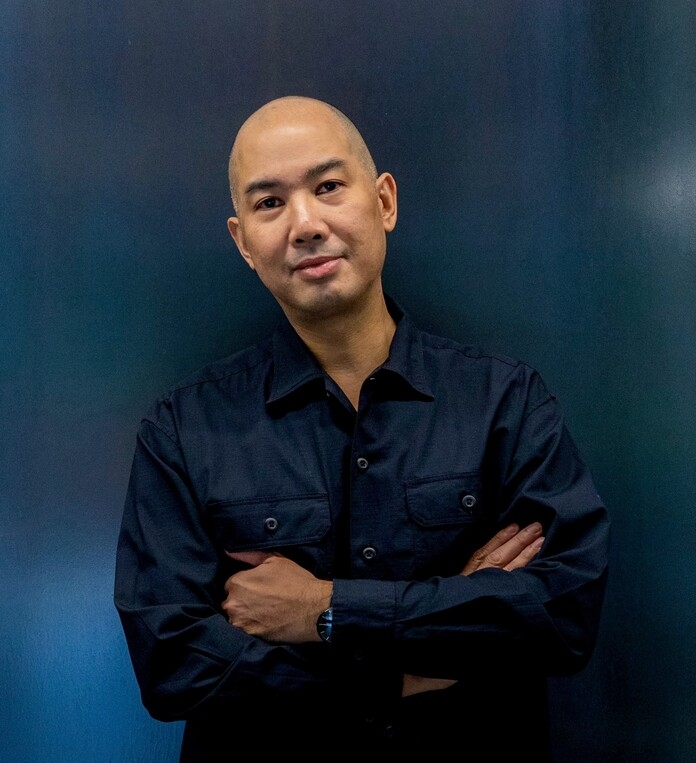
Harudot Café distinguishes itself through a thoughtful synthesis of landscape, spatial storytelling, and architectural restraint. While the exterior expression remains deliberately simple, the interior reveals a rich sequence of spaces that unfold gradually as visitors move through the building. Subtle shifts in form, light, and enclosure create moments of discovery, transforming a small program into an engaging spatial journey. Vegetation becomes an active spatial generator rather than mere decoration. By rethinking how a café can function as an experiential destination rather than simply a place to drink coffee, the project introduces a quiet yet meaningful innovation in café design, offering visitors a memorable and immersive environment.
Kelly Tan/ Acting Director of Industry, DesignSingapore Council

Harudot by Nana Coffee Roasters is deserving of top honours for seamlessly integrating brand storytelling into a functional, yet beautiful structure. Its meticulous attention to detail, from the physical form down to the graphics, create a cohesive user experience that feels deeply rooted in its context. Innovative use of an unconventional material palette featuring coffee grounds, rice, and leaves honours both brand identity and regional culture and context. Beyond aesthetics, the building prioritises sustainability by utilising natural light and air flow to reduce energy consumption. Ultimately, it serves as a strong project that balances practical usefulness with a sophisticated, contemporary design language.
IDr Ooi Boon Seong/ Chief Executive Director of OD&A

Harudot presents a clear and thoughtful approach to hospitality design, where concept and spatial planning are closely aligned. The idea of “new beginning” is translated in a direct and physical way through the integration of the baobab tree at the centre of the scheme. The separation of the gable forms allows light, air and natural growth to shape the experience of the space without feeling forced. The contrast between the dark exterior and warm timber interior supports the brand identity in a subtle and controlled manner. What makes this project stand out is its balance between narrative, human scale and practical execution.
Comment on the Excellence Award: Jannis Renner (ATELIER BRÜCKNER)
Seuk Hoon Kim/ Executive Director of Korean Society of Interior Architects/Designers
Founder, Creative Director of Studio Eccentric
The Uzbekistan Pavilion in Expo Osaka 2025 has been a refined and thoughtful pavilion that translates cultural identity into a clear architectural language. The contrast between the grounded clay and brick base with the lightweight timber pergola creates a calm yet expressive spatial order; while the modular system demonstrates a convincing commitment to sustainability. The project stands out for integrating structure, material, and spatial narrative into a coherent visitor journey, balancing regional specificity with a clear contemporary global voice.
Marco Bevolo/ Adjunct Professor of Design Futures World University of Design, Founder of Marco Bevolo Consulting

Storytelling is central to the experience of this pavilion, which adopts notions of scenography and media in its architectural DNA. Uzbekistan is a former USSR Republic, independent since 1991. A country rich of complexity and contradictions, posing a clear challenge to the designers of an Expo pavilion. This concept goes back to the geomantic reality of Uzbekistan, taking direct inspiration from the shape of its surfaces and the colors of its landscape. Traditional craftsmanship converts local materials into manmade manifestation, with operational execution combining ancient practices with Japanese norms and regulations. Passive climate strategies and reusability for future public purposes appear in line with the sustainable ambitions of a country where UN SDGs implementation is above expectations. A darker exhibition area is accessible through a discrete entry point. Ultimately, this pavilion offers a vision of the future rooted in historical and geographical, perhaps even geological awareness, towards tomorrow and beyond.
Maria Vittoria Capitanucci/ Milan Order of Architects

Uzbekistan Pavilion: a forest of sustainability, a contemporary reinterpretation of traditional constructive and arts&crafts systems, where regional vocation plays in a strong dialogue with international language.
General Review of ADF Design Award 2026
Heather Dubbeldam/ Principal of Dubbeldam Architecture + Design

It was an honour to participate in the ADF Design Award jury and review such a wide range of thoughtful and ambitious submissions. The selected projects demonstrate a strong commitment to material intelligence, environmental responsibility, and the careful shaping of spatial experience through light, structure, and form. Many of the most compelling works showed clarity and restraint, allowing architecture to emerge from an understanding of climate, landscape, and human use rather than relying on overt formal expression.
A notable strength among the awarded projects was their sensitivity to natural surroundings. Through the careful orientation of spaces, the introduction of sectional light, and the thoughtful use of natural materials, these projects create environments that support well-being and a deeper awareness of place. The work reflects an understanding of architecture not only as an object, but as a framework for lived experience.
Collectively, the awarded works demonstrate how contemporary architecture can respond to environmental and cultural conditions with humility and precision, creating spaces that are both deeply grounded in their context and forward-looking in their design.
Christina Yao/ China editor of Dezeen

ADF Grand Prize and Awards of Excellence this year showcased a consistent architectural interpretation that is rooted in human-centric design. By incorporating nature and natural materials, these projects skilfully balance regional identity with contemporary expression.
Nicola Maniero/ Architect, Partner of Kengo Kuma and Associates
The competition featured a big number of entries,and several projects stood out for their quality, particularly those from Japan, which demonstrated notable design rigor and spatial sensitivity. The diversity of approaches and scales was also compelling, ranging from small, intimate interventions to more complex architectural programs. While this heterogeneity enriched the overall selection, it also made the evaluation process more challenging, as it was not always easy to compare works of such different nature on equal terms. For this reason, the role of the jury required careful attention to qualitative criteria rather than purely quantitative ones. Overall, however, the final selection proved convincing, and I am pleased that the winning project clearly embodies the research, sensibility, and architectural quality that emerged throughout the review process.
ADF Design Award 2026
The "ADF Design Award 2026" introduced in this article is an international design award organized by NPO Aoyama Design Forum (ADF) for architects around the world. The results were announced in March 2026, with the Grand Prize awarded to Keisuke Koike (Thirdparty / K2YT), and the Excellence Awards presented to Jeravej Hongsakul (IDIN Architects) and Jannis Renner (ATELIER BRÜCKNER). This award is a major international design award with a total prize pool of USD 30,000 and features globally renowned figures from the architecture and design industry as jurors. Award winners are invited to attend the award ceremony held during Milan Salone from April 21, 2026, and are also given opportunities for international exposure, including the Milano Politecnico Graduation Project Award organized by the Milan Architects Association and a collaborative exhibition with the interior design company GARDE.
