
ADF Design Award 2026 The Excellence Award Winner - Interview with Jeravej Hongsakul
Hosted by NPO Aoyama Design Forum (ADF), the "ADF Design Award 2026" has chosen Jeravej Hongsakul's work as the Excellence Award winner in the HOSPITALITY Category. Here is an interview article with Jeravej Hongsakul to introduce the award-winning work and the story behind the design process.
Winner of Excellence Award from the HOSPITALITY Category, Jeravej Hongsakul
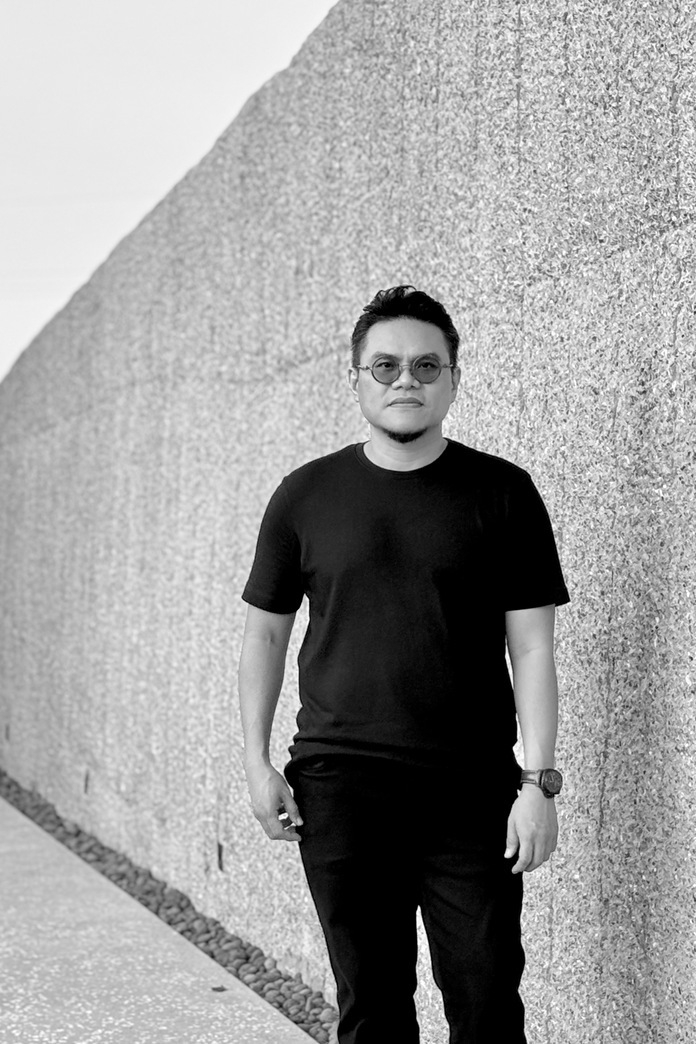
Jeravej Hongsakul
1. Could you tell us about your background as an architect?
Since I was young, I enjoyed reading science fiction, watching sci-fi movies, building LEGO, drawing, and creating comic books for my friends.
When I was about 12 years old, I saw a picture of Fallingwater by Frank Lloyd Wright in a magazine at the library. I was very excited that there was actually a house with a waterfall flowing through it, and that it was so beautiful. I took that picture to my teacher and asked what I should study if I wanted to design a house like this. The teacher told me to become an architect. From that moment on, I decided to follow this path.
When I actually studied architecture, I immediately felt that it suited me very well, because it is a field where art, imagination, and reason work together in a tangible way.
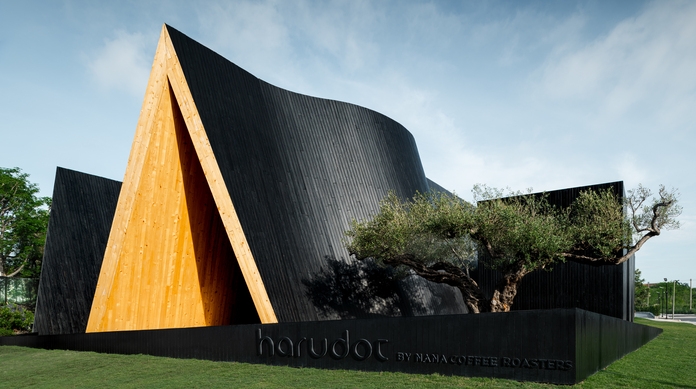
2. Within architecture, are there particular fields or project phases in which you specialize?
I work on many types of projects, but mainly hospitality and residential projects, which make up a large proportion of my portfolio.
I see that every phase of the design process is important. However, the phase I am most skilled at and enjoy the most is the early stage of interpreting the brief, because at that stage there is no clear answer yet. We have to listen to the site, listen to the owner, listen to the constraints, and gradually find the most appropriate possibilities so that the project can move in the right direction.
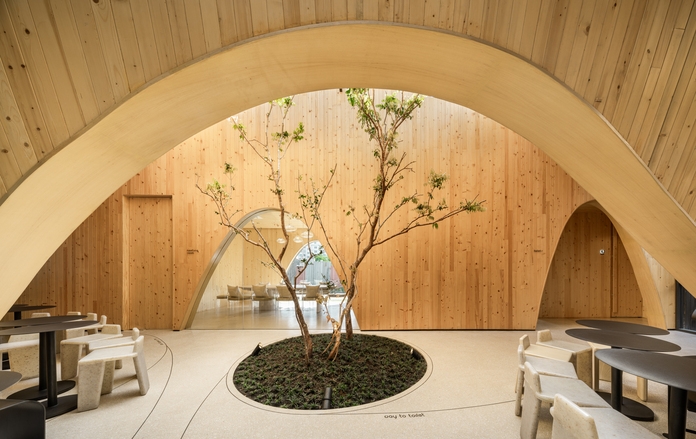
3. When generating ideas, what inspires you, and do you have any personal methods or philosophies for organizing your thoughts and developing concepts?
I see architecture as the art of problem-solving, where beauty and function come together to create better living. Therefore, the first thing is that the project must work.
I always think about how that piece of architecture should respond to different factors, and which aspect should be given priority — context, program, functionality, or user experience. Each project has a different balance. In some projects, context is the most important. In others, the program is more important. In some cases, the feeling of the space is more important.
I usually choose methods that are simple, clear, and are solutions that contain their own beauty, rather than trying to make them look beautiful afterward.
4. What kinds of creative fields outside of architecture interest you? Do you ever incorporate them into your architectural work?
I really like science. You could say I was a science nerd since I was young. I see science as something that begins with imagination and then finds answers by proving them with logic. This is also the way I approach architectural design.
Since childhood, I enjoyed reading about how Einstein proved his theories — explaining the speed of light and developing the theory of relativity. All of these required very high imagination, and also very strong logic to find the answers.
Film and music (I used to play drums) are also fields that I am very interested in. I often compare them with design when talking with clients. It is easier to understand when we use other disciplines that people are already familiar with as examples to explain our architectural work.
5. Could you share the background of your awarded project and the process that led to its completion?
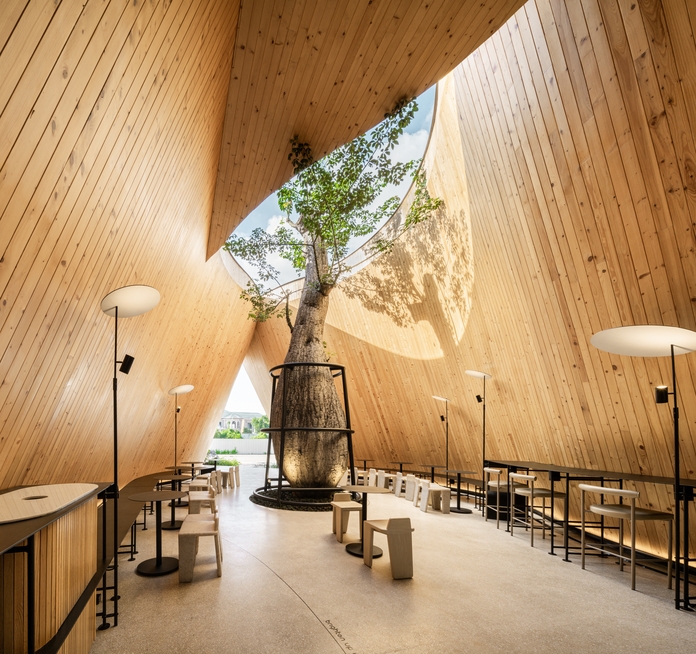
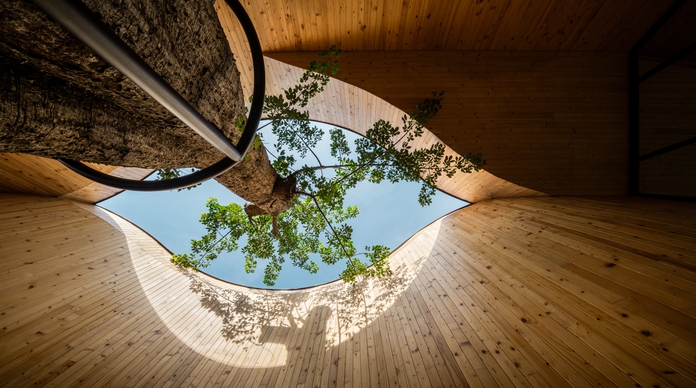
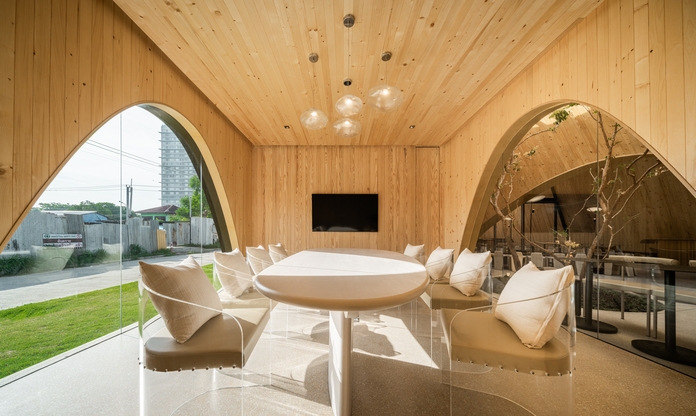
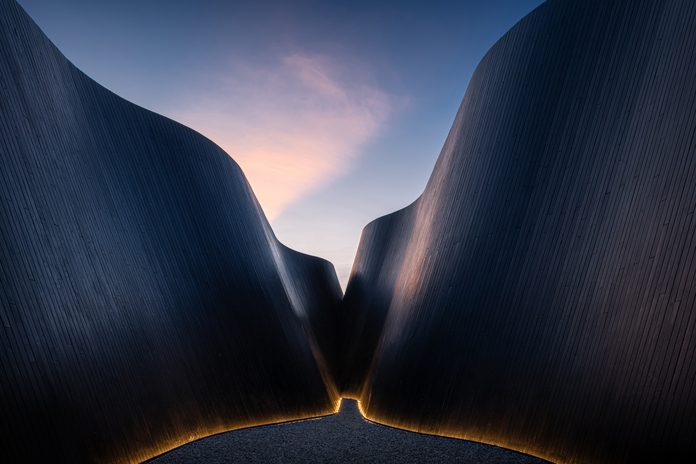
This project was an attempt to combine constraints, the owner’s requirements, brand communication, and site conditions into one single answer that could respond to all aspects at the same time.
My approach is to keep my eyes and ears open, and to listen to everything that comes from the site, from the program, and from the owner’s story. Many times, after talking with the owner and walking through the site, the direction of the project gradually becomes clear by itself.
The project did not start from what I wanted to design, but from understanding what this project “should become.” If we listen carefully and interpret the information in front of us correctly, the architectural answer will follow.
6. What kind of work would you like to create in the future?
I prefer projects that are not large in scale, because I can fully develop the details and control the quality of the space more carefully.
I would like to create work that focuses on the experience between users and space, without being limited by building type or the size of the building. Whether it is a small house that makes people feel good living together, or a public space that people want to return to, if it can create a good experience, I consider it successful.
I am not aiming for projects to become bigger and bigger, but rather to become clearer and clearer.
7. What are your impressions of ADF?
ADF Awards is an international platform that values thinking process, context, functionality, and innovation more than outward appearance. This aligns with the way I work. For me, this award is not only an honor, but also an opportunity to exchange perspectives at an international level.
ADF Design Award 2026
The "ADF Design Award 2026" introduced in this article is an international design award organized by NPO Aoyama Design Forum (ADF) for architects around the world. The results were announced in March 2026, with the Grand Prize awarded to Keisuke Koike (Thirdparty / K2YT), and the Excellence Awards presented to Jeravej Hongsakul (IDIN Architects) and Jannis Renner (ATELIER BRÜCKNER). This award is a major international design award with a total prize pool of USD 30,000 and features globally renowned figures from the architecture and design industry as jurors. Award winners are invited to attend the award ceremony held during Milan Salone from April 21, 2026, and are also given opportunities for international exposure, including the Milano Politecnico Graduation Project Award organized by the Milan Architects Association and a collaborative exhibition with the interior design company GARDE.
